20 Aug 2026
Behavioral Tracking Systems and Their Role in Shaping Personalized Reward Tiers Across Global Mobile Gaming Networks
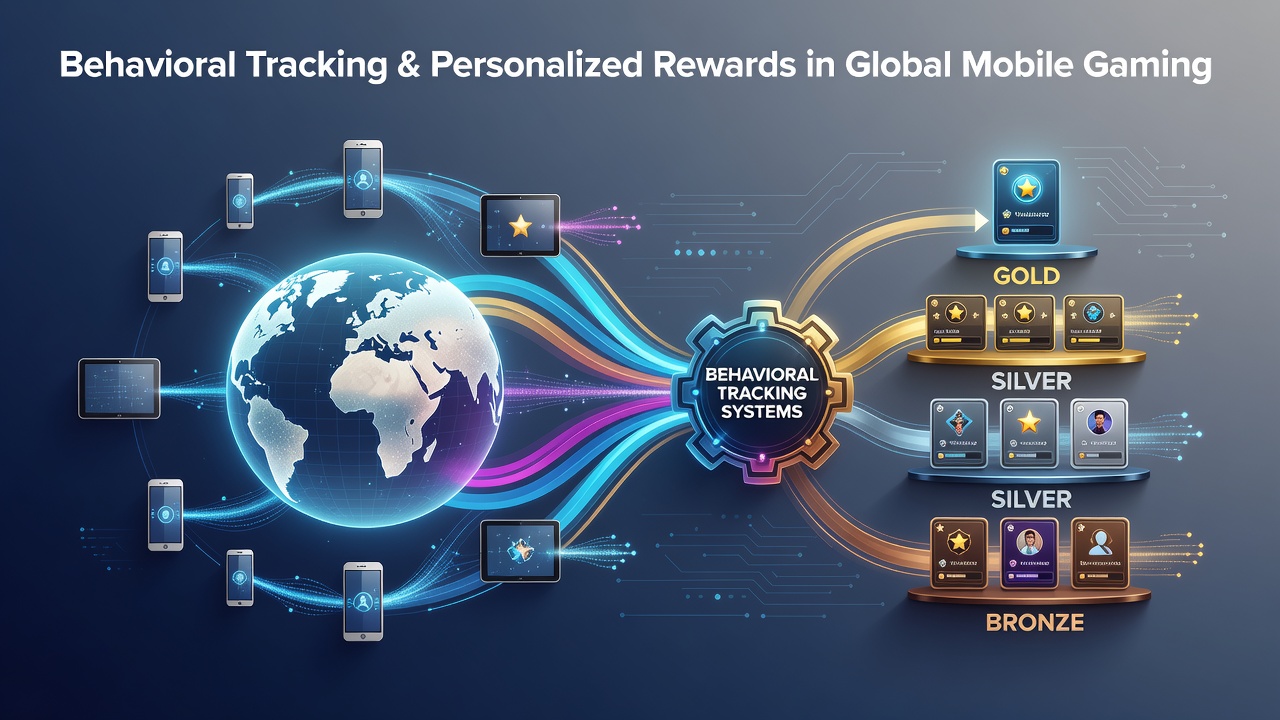
Behavioral tracking systems collect detailed player interaction data across mobile gaming platforms, and these tools directly influence how reward tiers get assigned in real time. Developers monitor metrics such as session duration, in-app purchase frequency, level progression speed, and social engagement patterns. The resulting profiles feed into algorithms that adjust bonus structures, loyalty multipliers, and exclusive item access for individual accounts.
Data Collection Mechanisms in Mobile Ecosystems
Modern mobile games embed software development kits that log thousands of micro-events per session, including swipe velocity, pause intervals, and retry rates on difficult challenges. These signals travel to cloud servers where machine learning models cluster users into behavioral segments. One segment might receive accelerated daily login rewards while another sees boosted experience point gains after extended play. Researchers at the University of Melbourne documented similar segmentation practices in a 2025 report on free-to-play economies, noting that tier adjustments often occur within minutes of pattern detection.
Device identifiers, IP geolocation, and cross-app advertising IDs further refine the data set. Networks operating in multiple regions synchronize these identifiers to maintain consistent reward logic whether a player switches from a European server to an Asia-Pacific one. As of August 2026, several major studios reported that unified player graphs now cover over 1.2 billion active mobile accounts worldwide, according to figures released by the Interactive Games and Entertainment Association.
Algorithmic Translation of Behavior into Reward Tiers
Once raw data reaches the central model, weighted scoring systems determine tier placement. High-frequency spenders with steady engagement patterns typically advance into premium reward brackets that unlock cosmetic items, resource packs, and limited-event invitations. Conversely, players who exhibit high churn risk receive targeted retention offers such as streak-recovery bonuses or discounted battle passes. The same model recalculates eligibility nightly, allowing rapid movement between tiers based on recent activity.
Regional Variations in Implementation
European studios tend to emphasize transparency disclosures within privacy settings, while North American platforms integrate tracking more deeply into core progression loops. Australian operators, regulated under the Interactive Gambling Act amendments, publish aggregate tier distribution statistics each quarter. Data from the Australian Communications and Media Authority shows that personalized reward systems now appear in 78 percent of top-grossing mobile titles released after January 2025.
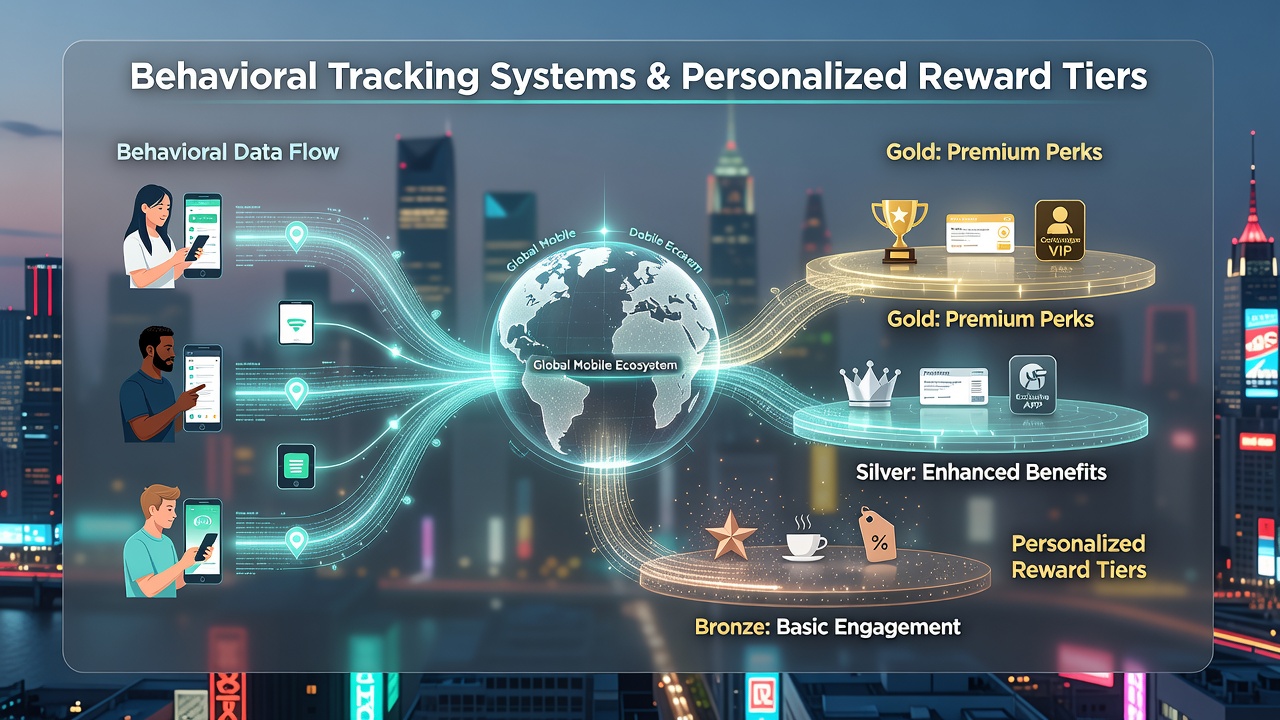
Cross-border networks face additional complexity when local data-protection rules limit certain identifiers. Developers therefore maintain parallel tracking layers that swap in anonymized cohort data when individual signals become unavailable. This layered approach preserves reward personalization without violating regional statutes, and it allows the same underlying game build to serve users across multiple jurisdictions.
Impact on Player Retention and Network Economics
Studies conducted by the Entertainment Software Association indicate that games employing dynamic reward tiers retain active users 34 percent longer than titles using static progression systems. The increase stems from continuous alignment between offered rewards and observed preferences. For example, players who favor competitive modes receive leaderboard-boosting items, whereas exploration-focused users gain access to map-expansion packs.
Network operators also use tier data to forecast revenue. By analyzing the velocity at which users climb tiers, finance teams project future in-app purchase volumes with greater accuracy. This forecasting feeds into server capacity planning and marketing budget allocation, creating a feedback loop that further refines the tracking models.
Technical Infrastructure Supporting Global Scale
Edge computing nodes positioned near major population centers reduce latency when delivering personalized content. These nodes cache tier-specific assets so that a player advancing to a new reward bracket receives updated graphics and item lists without noticeable delay. Backend orchestration platforms coordinate between edge caches and central analytics clusters, ensuring that behavioral updates propagate within seconds rather than minutes.
Security protocols encrypt behavioral logs during transit and at rest. Tokenization replaces raw device IDs with session-specific keys that expire after each connection, limiting the window during which any single identifier remains usable. Industry groups such as the Digital Games Research Association continue to publish best-practice guidelines for maintaining these safeguards while still supporting granular reward customization.
Conclusion
Behavioral tracking systems now form the backbone of reward personalization across global mobile gaming networks. Through continuous data ingestion, algorithmic segmentation, and region-aware infrastructure, these platforms adjust tier benefits in near real time. The resulting structures influence retention rates, revenue projections, and cross-border compliance strategies, shaping how millions of players experience progression and recognition within their chosen games each day.