18 Aug 2026
Cross-Border Compliance Frameworks and Their Ripple Effects on Digital Wallet Integrations Within Interactive Dealer Environments

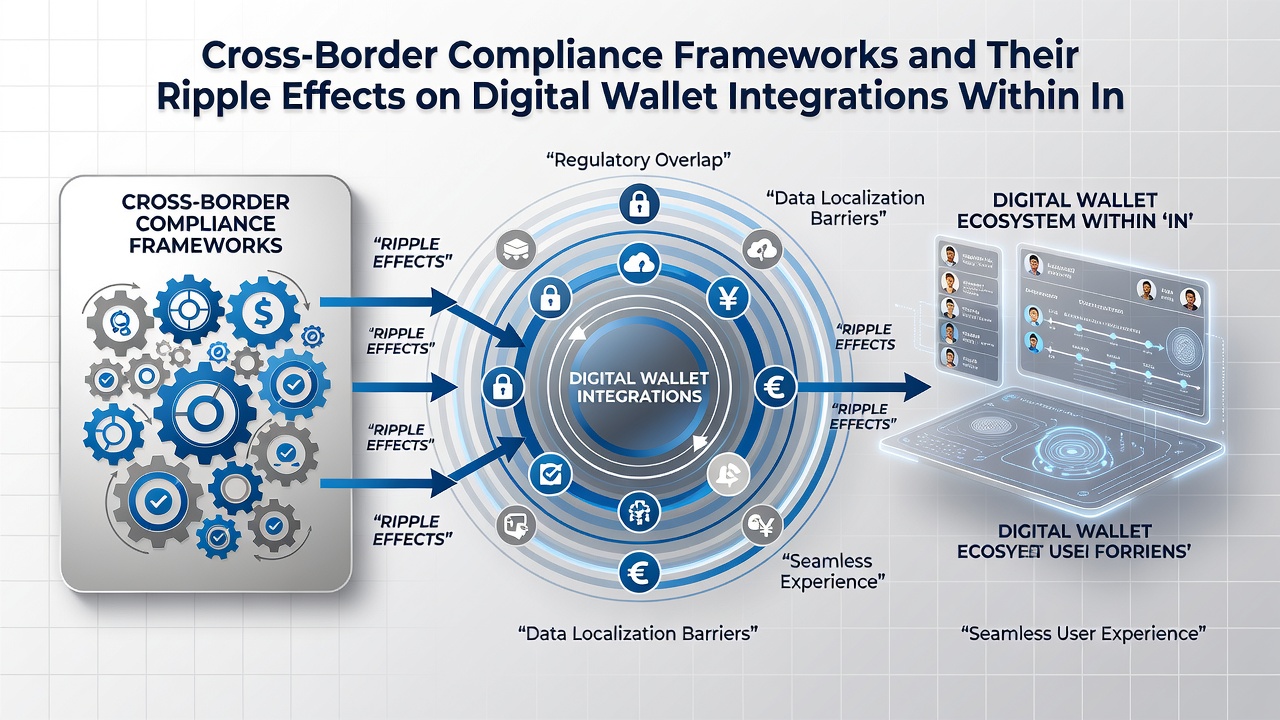
Cross-border compliance frameworks shape how digital wallet systems operate inside interactive dealer environments where live table games connect players across multiple jurisdictions in real time. Regulatory bodies enforce anti-money laundering rules and know-your-customer protocols that require platforms to verify identities and monitor transactions even when users sit in one country while the dealer operates from another. These requirements create layered approval processes that wallet providers must embed directly into their APIs so funds move without triggering automatic holds during peak play hours.
Key Regulatory Structures Across Regions
European directives on payment services and anti-money laundering set baseline standards that many platforms adopt when serving users from multiple member states while interactive dealer streams originate from studios in Eastern Europe or Asia. In the United States individual state gaming commissions impose separate licensing and reporting obligations that force wallet integrations to segment traffic by player location. Observers note that operators often maintain separate compliance teams for each major market because a single transaction can fall under overlapping rules from the point of deposit through final settlement.
Asian markets add further complexity through varying restrictions on foreign currency flows and data localization mandates. Platforms that host live dealer tables must route wallet calls through regional gateways that apply local currency controls before funds reach the central processing system. Data from industry reports shows these handoffs add milliseconds to each authorization step yet remain essential for maintaining regulatory approval across borders.
Technical Adjustments in Wallet Architecture
Wallet providers respond by building modular compliance layers that activate based on detected player jurisdiction and game type. When a user joins an interactive dealer session the system checks the wallet balance against real-time rulesets pulled from multiple regulatory databases. If any flag appears the transaction pauses while additional verification documents route through secure channels that comply with data protection laws in both the player's home country and the operator's licensing jurisdiction.
August 2026 marks the scheduled rollout of updated reporting templates from several international bodies that will require more granular breakdowns of cross-border gambling payments. Wallet developers have already begun testing enhanced logging features that capture session duration, dealer location, and currency conversion rates in a single audit trail. These changes aim to reduce manual reconciliation work for operators while satisfying simultaneous demands from regulators on different continents.
Operational Impacts on Live Dealer Platforms
Interactive dealer environments rely on low-latency connections so any compliance-induced delay can affect table flow and player experience. Studios therefore coordinate with wallet partners to pre-approve high-volume users through accelerated KYC pipelines that still meet cross-border standards. Research from payment security firms indicates that platforms using unified compliance dashboards cut average transaction review times by nearly half compared with fragmented regional systems.
Case studies from operators in multiple markets reveal that wallet integrations now include dynamic risk scoring engines. These engines pull signals from device location, previous transaction patterns, and regulatory watch lists before authorizing each deposit or withdrawal. When a player switches from one dealer table to another across jurisdictions the engine re-evaluates the session in milliseconds to maintain continuous compliance without interrupting gameplay.
Future Alignment Efforts
Industry associations and academic researchers continue to examine how standardized data formats could ease the burden of multi-jurisdictional reporting. One collaborative project between European and North American institutions has produced prototype schemas that map common fields across different regulatory templates. Early tests show these schemas allow wallet systems to generate compliant reports for several authorities from a single dataset rather than maintaining separate exports.
Yet challenges remain around real-time currency conversion and sanctions screening that must occur before funds reach interactive dealer accounts. Platforms that succeed in August 2026 and beyond will likely be those that treat compliance as an integrated component of wallet architecture instead of an add-on process.
Conclusion
Cross-border compliance frameworks continue to drive structural changes in digital wallet integrations for interactive dealer environments. Operators and technology providers adapt by embedding regulatory checks into core transaction flows while preparing for new reporting requirements scheduled for 2026. These adaptations ensure that live dealer platforms maintain operational continuity across jurisdictions even as regulatory landscapes evolve.