11 Aug 2026
Mapping Jurisdictional Policy Shifts and Predictive Analytics Deployment in Remote Gambling Interfaces
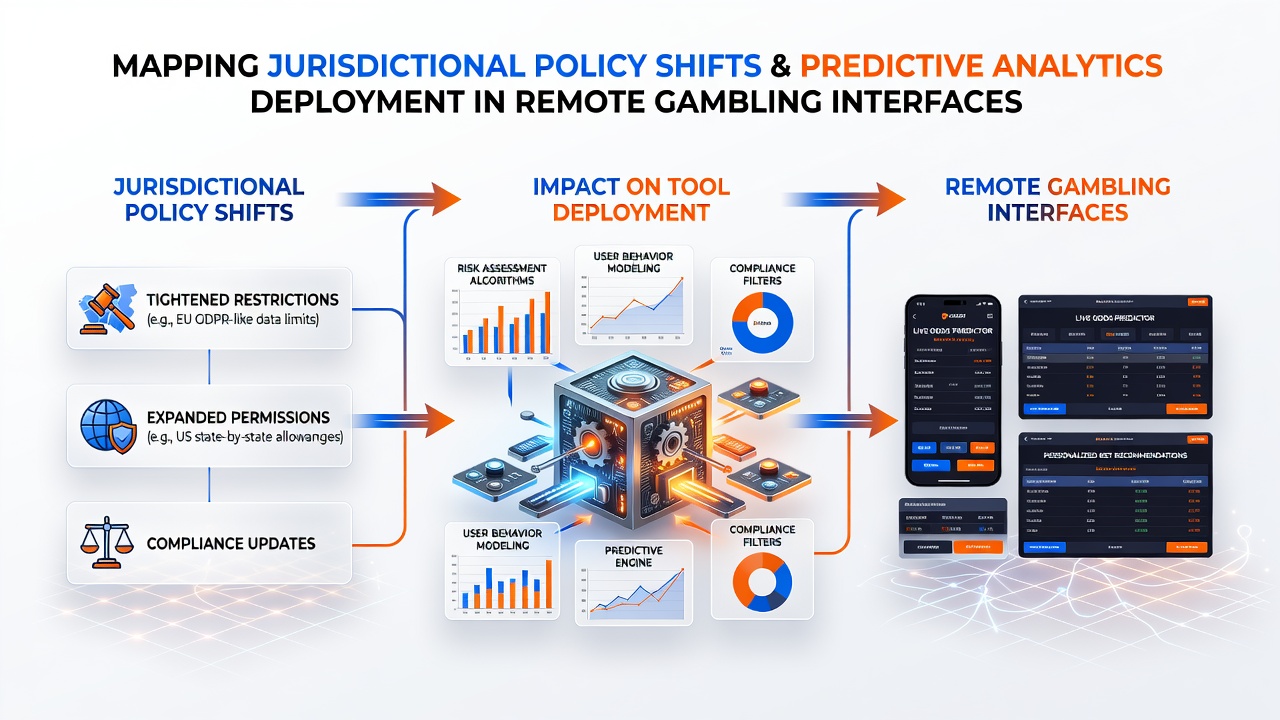
Policy adjustments across multiple regions continue to reshape how operators integrate predictive analytics into remote gambling platforms, with data handling rules and responsible gaming mandates driving much of the reconfiguration since early 2025. Regulatory bodies in North America and Europe have introduced layered requirements that affect model training, feature selection, and real-time deployment, while operators adjust interfaces to maintain compliance without disrupting user experience.
Recent Shifts in Key Markets
Canadian provinces updated their digital gaming frameworks in spring 2026, requiring explicit consent mechanisms before operators apply behavioral prediction models to session data, and these rules took full effect by August 2026 in Ontario and British Columbia. The changes limit the variables that analytics engines may process without separate player authorization, prompting vendors to segment their toolkits into core compliance modules and optional personalization layers. Meanwhile, several Australian states tightened cross-border data transfer standards, compelling platforms to localize certain prediction datasets and recalibrate algorithms that previously relied on aggregated international player profiles.
European regulators followed with guidance on algorithmic transparency for gambling products, focusing on how models forecast churn or risk indicators. Operators must now document variable weights and decision thresholds when deploying tools that influence bonus offers or game recommendations, according to reports from the European Gaming and Betting Association. This documentation burden has slowed rollout timelines for newer predictive features in several markets.
Technical Adjustments in Remote Interfaces
Remote gambling systems rely on predictive analytics for functions ranging from responsible gaming alerts to dynamic difficulty adjustments, yet jurisdictional rules now dictate which data streams feed these models. In jurisdictions emphasizing data minimization, platforms strip identifiers earlier in the pipeline, forcing retraining of models on anonymized aggregates that reduce granularity for individual risk scoring. Developers respond by building modular architectures where analytics components activate only after local compliance checks pass, a pattern observed across major suppliers updating their remote casino software stacks.
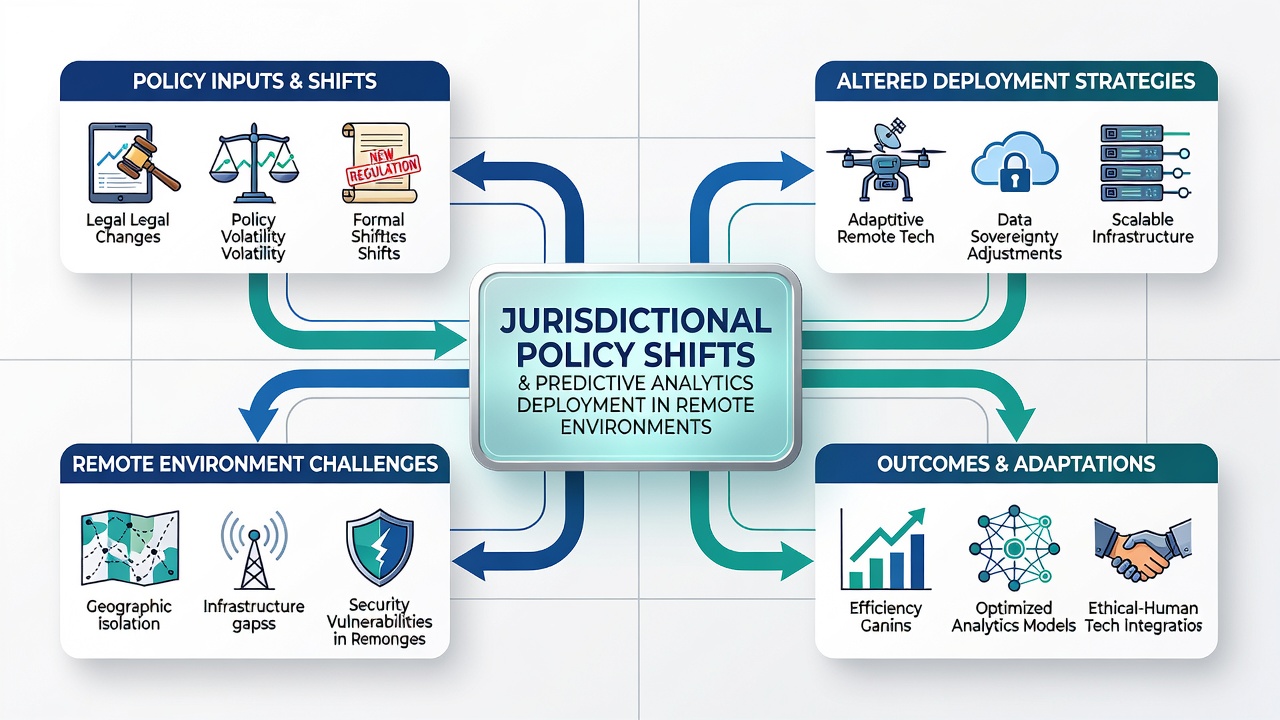
One notable adaptation involves real-time consent toggles embedded directly in mobile and desktop interfaces, allowing players to opt into or out of specific analytics uses mid-session. These toggles connect to backend policy engines that disable or enable prediction endpoints on the fly, ensuring operators meet varying consent standards without maintaining separate codebases for each jurisdiction. Data shows such conditional deployment reduces model accuracy in restricted modes, but operators offset the loss by increasing reliance on non-personalized aggregate trends for certain features.
Compliance Mapping and Regional Variations
Analysts track these alterations through compliance matrices that map each jurisdiction's data rules against available analytics functions, revealing clear clusters: privacy-focused regimes restrict player-level predictions, while markets prioritizing harm prevention often mandate expanded use of risk models yet impose audit requirements on their outputs. In the United States, state-level variations create additional complexity, with Nevada emphasizing audit trails for any model influencing game outcomes and New Jersey focusing on transparency around bonus personalization algorithms, as noted in resources from the American Gaming Association.
Operators maintain live inventories of active models per jurisdiction, updating them whenever policy language changes. This mapping process incorporates legal review cycles that flag new constraints on variables such as deposit frequency or session length, directly influencing which predictive outputs remain available in player-facing interfaces. Where rules tighten, some platforms revert to simpler rule-based systems for affected features until retrained models satisfy updated documentation standards.
Operational Impacts on Deployment Timelines
Deployment schedules have lengthened in regions with recent policy updates, because each new analytics release now undergoes jurisdiction-specific validation before activation. Teams coordinate model retraining with legal sign-off, inserting buffer periods that account for regulatory review. Evidence from industry reports indicates that platforms operating across five or more jurisdictions maintain dedicated compliance engineering groups responsible for translating policy text into technical constraints, a practice that emerged prominently after the 2025 wave of updates.
Despite these hurdles, certain markets reward proactive alignment by granting faster approval for tools that incorporate built-in audit logging and player-facing explanations. Operators that embed these capabilities early report smoother transitions when rules evolve, because the infrastructure already supports the required transparency outputs.
Conclusion
Jurisdictional policy shifts continue to determine which predictive analytics capabilities operators can activate within remote gambling interfaces, with consent frameworks, data localization, and transparency mandates forming the primary drivers. Mapping exercises help organizations anticipate where models must be segmented or disabled, while modular system designs allow selective activation that aligns with local rules. As frameworks stabilize after the August 2026 implementations in key Canadian provinces, further refinements in model architecture and consent handling will likely define the next phase of deployment across global platforms.