27 Aug 2026
Tracing Regulatory Pathways That Shape Software Testing Protocols in Multi-State Digital Wagering Networks
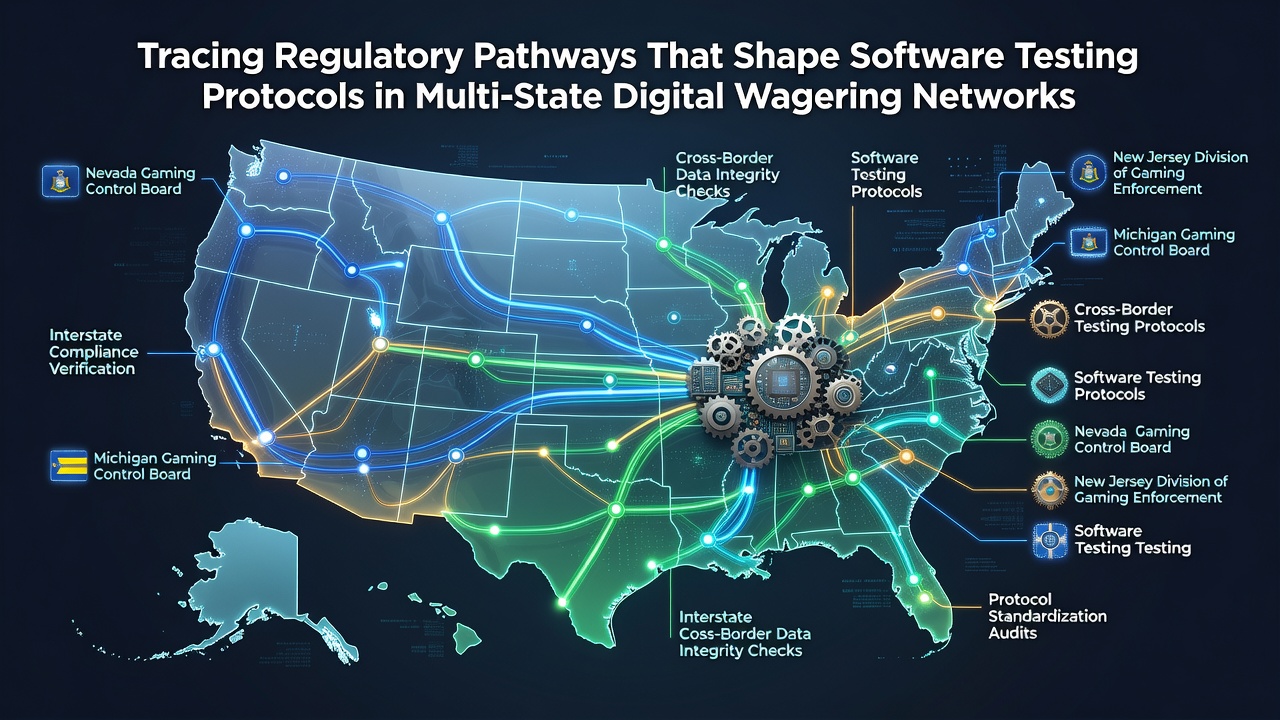
Multi-state digital wagering networks operate under overlapping regulatory frameworks that directly dictate how software undergoes testing for randomness, security, and compliance before deployment across jurisdictions. These pathways emerge from state-specific gaming statutes, interstate agreements, and technical standards that operators must satisfy simultaneously, creating layered review processes for everything from random number generators to transaction authentication modules. Data from industry reports indicate that platforms serving users in more than three states encounter an average of 12 distinct certification checkpoints per software update cycle, with testing timelines extending from weeks to several months depending on the combination of jurisdictions involved.
State-Level Regulatory Structures and Their Testing Mandates
Each participating state maintains its own gaming control body that establishes unique protocols for software validation, often requiring independent laboratory assessments before any code reaches production environments. Researchers at academic institutions have documented how these bodies coordinate through shared databases yet retain authority to impose additional criteria, such as enhanced penetration testing or jurisdiction-specific audit trails. Observers note that states like New Jersey and Pennsylvania publish detailed technical bulletins that specify RNG evaluation methods, while others incorporate elements from broader federal guidelines on data protection without creating unified national standards.
Software developers working in these networks must navigate certification sequences that begin with initial code submission, proceed through laboratory simulation of live conditions, and conclude with post-deployment monitoring requirements. One analysis of regulatory filings revealed that multi-state operators allocate up to 25 percent of their compliance budgets solely to repeated testing iterations triggered by even minor regulatory amendments in a single jurisdiction. Those who have examined these workflows observe that synchronization across state lines remains incomplete, leading to parallel testing tracks that rarely align perfectly in timing or documentation standards.
Interstate Coordination Mechanisms and Protocol Evolution
Interstate compacts and information-sharing agreements have emerged as primary vehicles for aligning testing expectations, although full harmonization has not occurred. Figures from regulatory filings show that collaborative frameworks established after 2020 have reduced redundant laboratory evaluations by approximately 15 percent in participating states, yet core differences persist in areas like cryptographic key management and user data encryption thresholds. Experts tracking these developments point to ongoing efforts among Midwestern and Northeastern commissions to standardize certain test vectors, while Western states continue to emphasize independent verification procedures tailored to local market conditions.
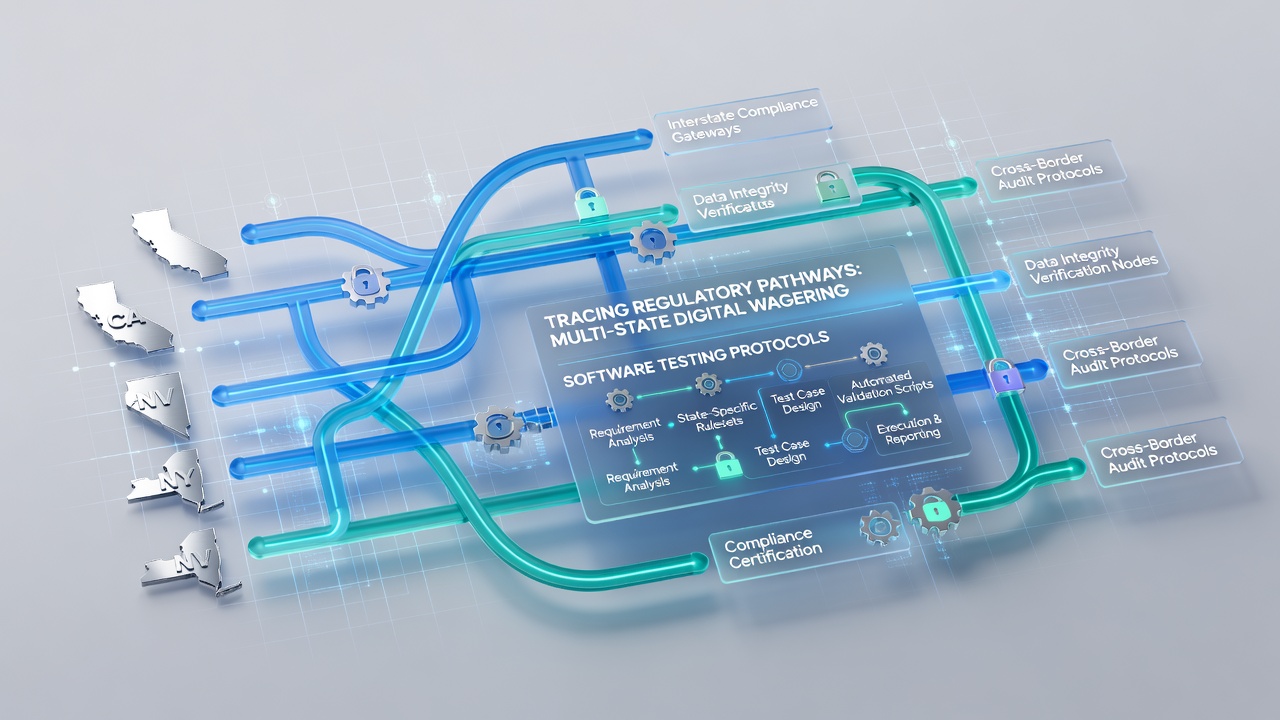
August 2026 marks a notable checkpoint for several multi-state initiatives, as updated interoperability guidelines scheduled for implementation require renewed validation of existing software modules against revised security benchmarks. Industry associations have reported that operators are already conducting preliminary audits to identify gaps in current protocols, particularly around real-time monitoring interfaces that feed data to multiple state oversight systems. These adjustments reflect broader trends where regulatory pathways increasingly incorporate automated compliance tools that trigger retesting when transaction volumes or user behaviors deviate from established baselines.
Technical Testing Protocols Under Regulatory Influence
Randomness verification remains a central focus, with states mandating statistical analysis suites that evaluate millions of outcomes against predefined distribution models before approving deployment. Additional layers address transaction integrity, requiring simulation of high-volume scenarios across different network latencies to ensure consistent performance regardless of user location. Data indicates that protocols for live dealer integrations demand extra scrutiny of video stream encryption and synchronization mechanisms, since these elements fall under both gaming and telecommunications regulations in certain jurisdictions.
Those who have studied certification timelines note that adaptive play features and bonus calculation engines receive heightened attention during multi-state reviews, because small variations in implementation can trigger non-compliance flags in one or more participating states. External sources such as the iGaming Ontario regulatory portal provide comparative examples of how Canadian provincial standards intersect with U.S. state requirements, illustrating the cross-border testing adjustments operators must accommodate. Similarly, documentation from the Australian Communications and Media Authority highlights parallel approaches to software integrity checks that influence global platform designs serving multiple regions.
Emerging Challenges in Protocol Standardization
Resource allocation for testing continues to shift as regulatory pathways incorporate performance data analytics drawn directly from gaming engines. This integration allows commissions to request targeted re-evaluations based on observed patterns rather than blanket re-certification cycles. Observers tracking these changes report that operators in August 2026 face pressure to demonstrate real-time compliance dashboards capable of satisfying simultaneous queries from multiple state regulators without exposing proprietary algorithm details.
Case examples from regulatory proceedings show that delays often stem from discrepancies in how different states interpret identical technical standards, prompting additional rounds of laboratory clarification. These friction points underscore the ongoing evolution of testing protocols as networks expand and regulatory bodies refine their oversight capabilities through shared technological infrastructure.
Conclusion
Regulatory pathways continue to define the scope and sequence of software testing protocols within multi-state digital wagering networks through a combination of state-specific mandates and emerging coordination mechanisms. The interplay between these frameworks determines certification timelines, resource requirements, and technical benchmarks that platforms must meet to maintain operational continuity across jurisdictions. As guidelines evolve around August 2026 and beyond, the emphasis remains on verifiable compliance processes that accommodate both localized standards and interstate operational realities.